Nano Bead Mills for Pigment, Ink and Battery Slurry
Engineered for sub-micron consistency — and specified around the material you actually run, not around a catalogue.
Which of these is happening in your plant?
Every one of these has a different cause and a different fix. Pick the closest one and you will land on the page that deals with it.
I cannot reach my target fineness
The machine runs for hours and stops moving. Below one micron something else has to change.
What actually changes below 1 µm →Same recipe, different result
You hit target fineness in the mill and lose it overnight. Usually not a grinding problem.
Re-agglomeration and how to stop it →Lab result will not scale up
A 2 L trial says yes, the production line says no. This is solvable, but it needs the right data.
Scale-up testing →I just need a budget number
Tell us throughput and target fineness and we will quote a specification, not just a price.
Request a quotation →What we do
We design and deliver wet grinding and dispersion systems for manufacturers who need particles they can actually control.
That sounds simple. In practice, getting a pigment from 20 µm down to 200 nm — and holding it there batch after batch — depends on far more than motor power. It depends on media size, tip speed, residence time, temperature, separator design, and how well the whole system matches the material you are actually running.
We handle that matching. You tell us what you are grinding and where it needs to end up; we specify, build, test and commission the machine that gets you there.
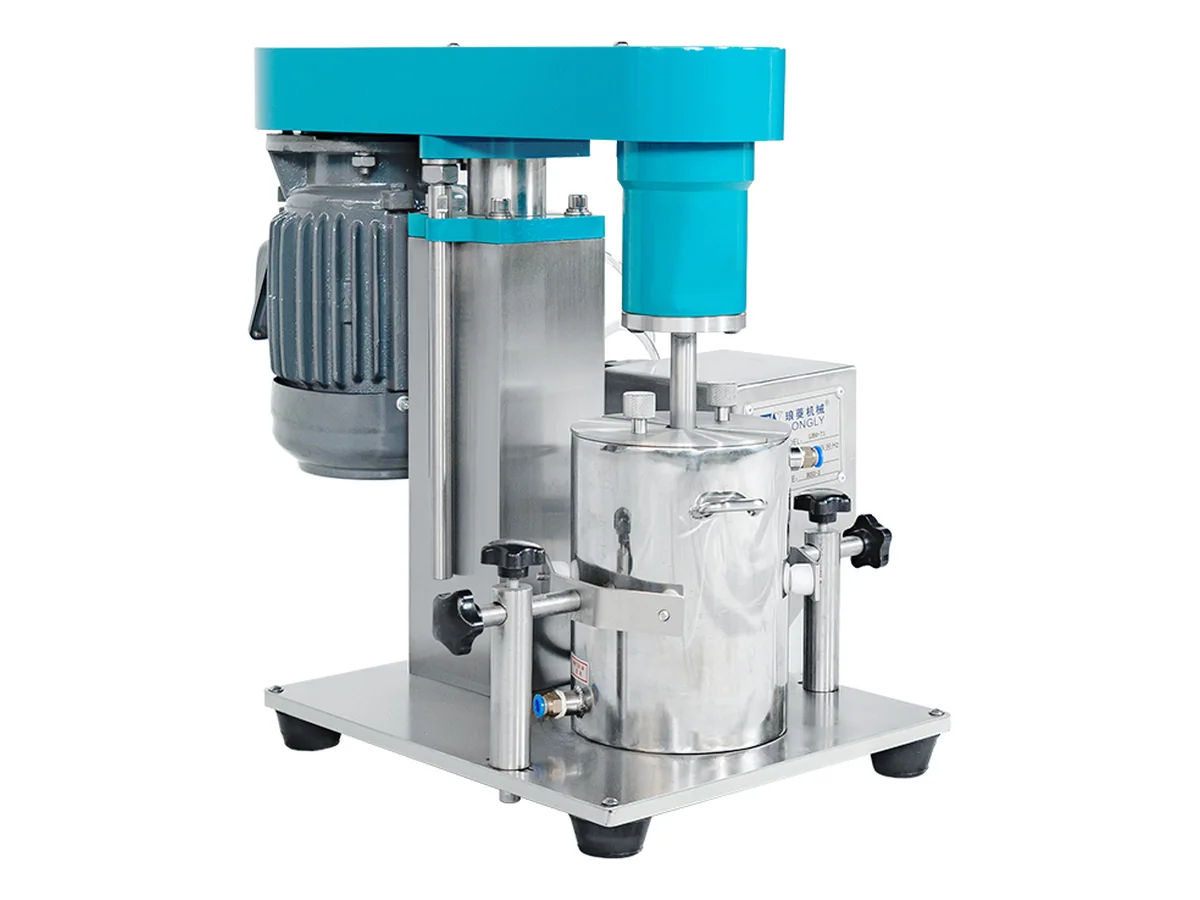
Eight grinding configurations — pick by what your material needs
The structure follows the problem, not the other way round. Each series below exists because some material cannot be handled by the others.
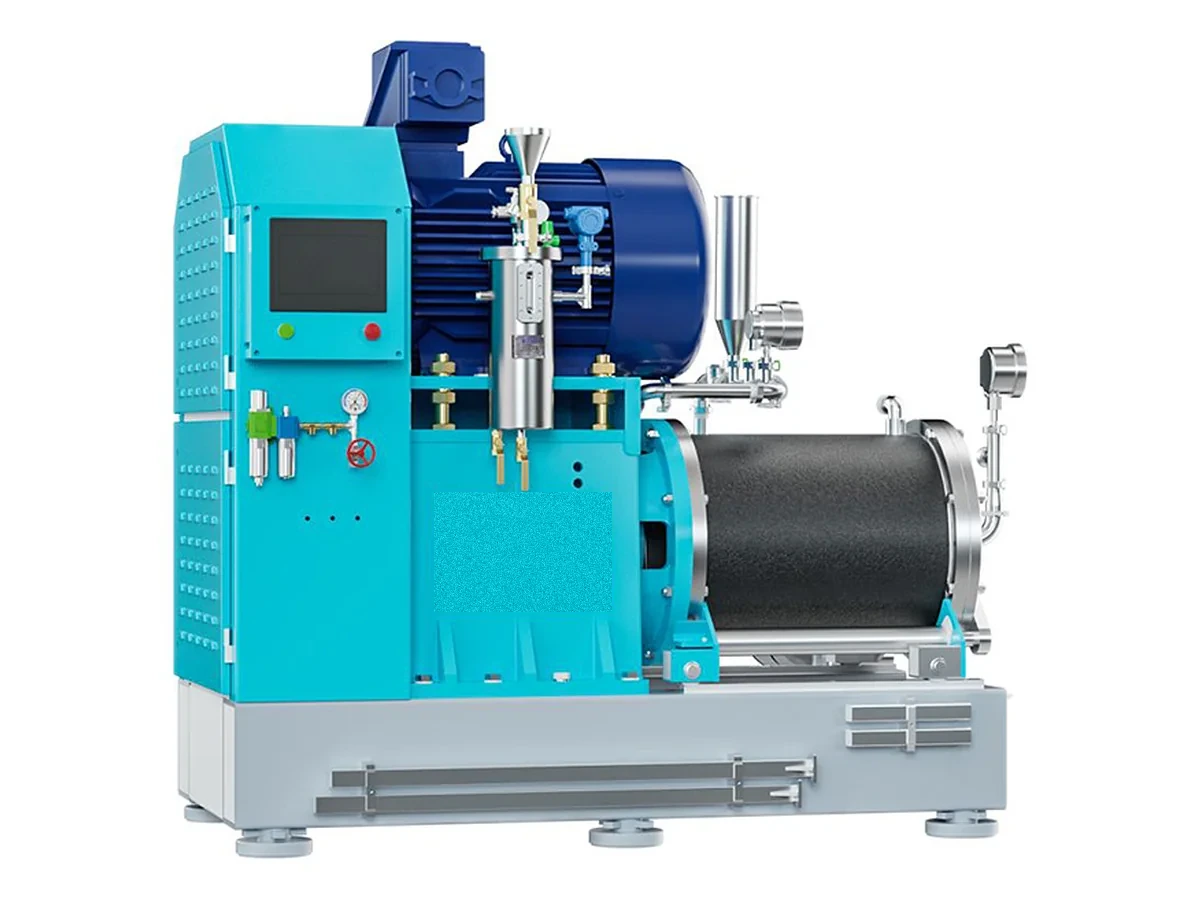
Nano Bead Mill Most requested
Small media, gap or centrifugal separation, aggressive chamber cooling.
Choose it when: Worth it only if your application genuinely needs sub-100 nm.
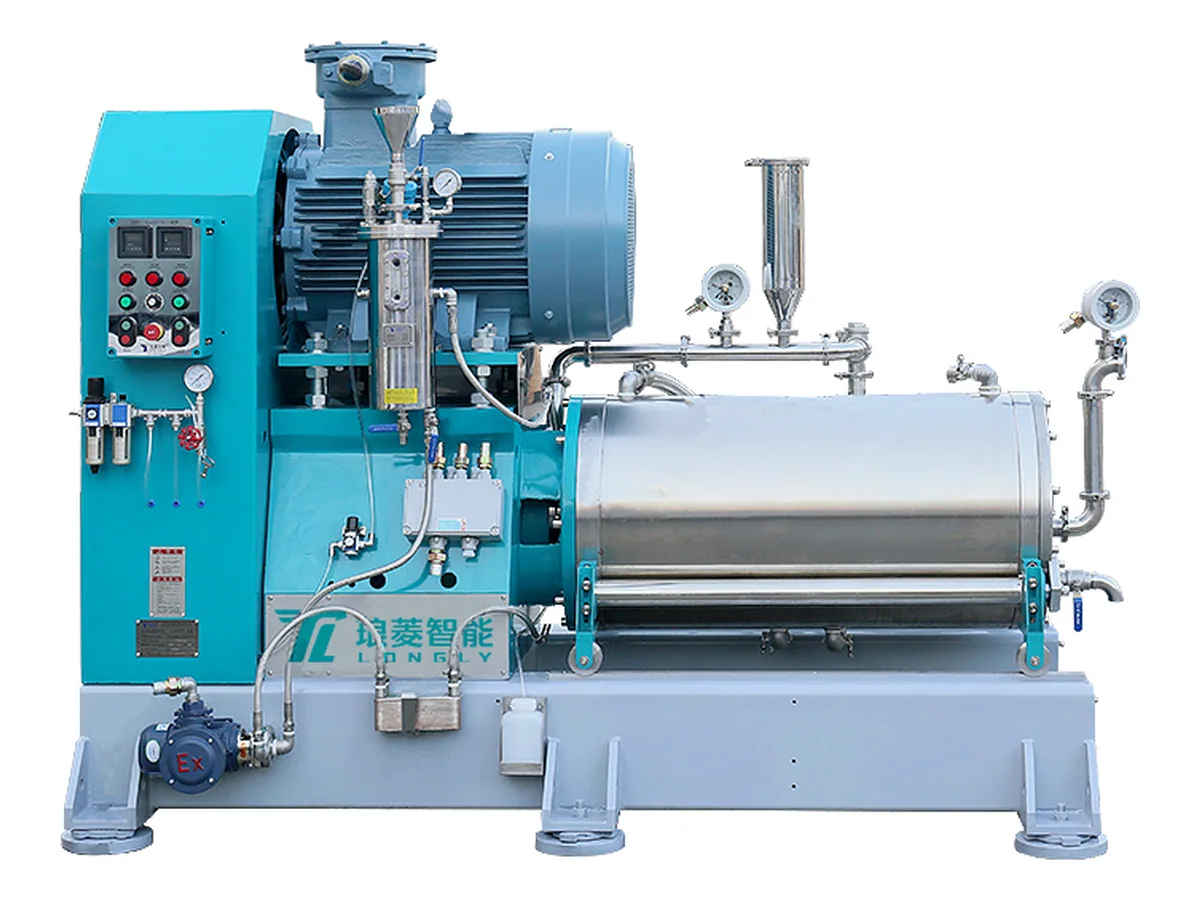
Micron / Sub-micron Bead Mill
The production workhorse for coatings, inks and general sub-micron work.
Choose it when: Disc type for general work; pin type when you need more energy per pass.
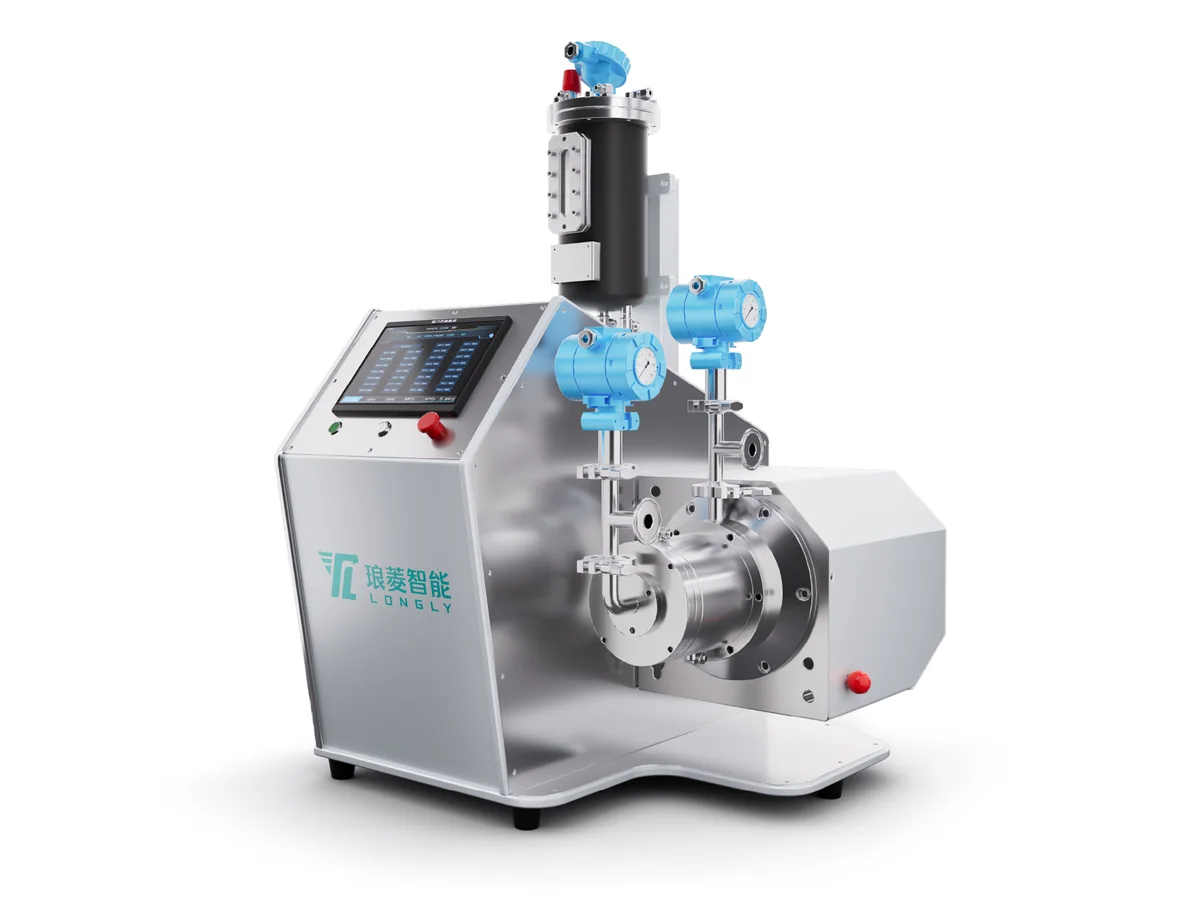
Lab & Pilot Mill Most requested
Same media and tip speed as the production machine, so results scale.
Choose it when: Start here if you need to prove a target before buying capacity.
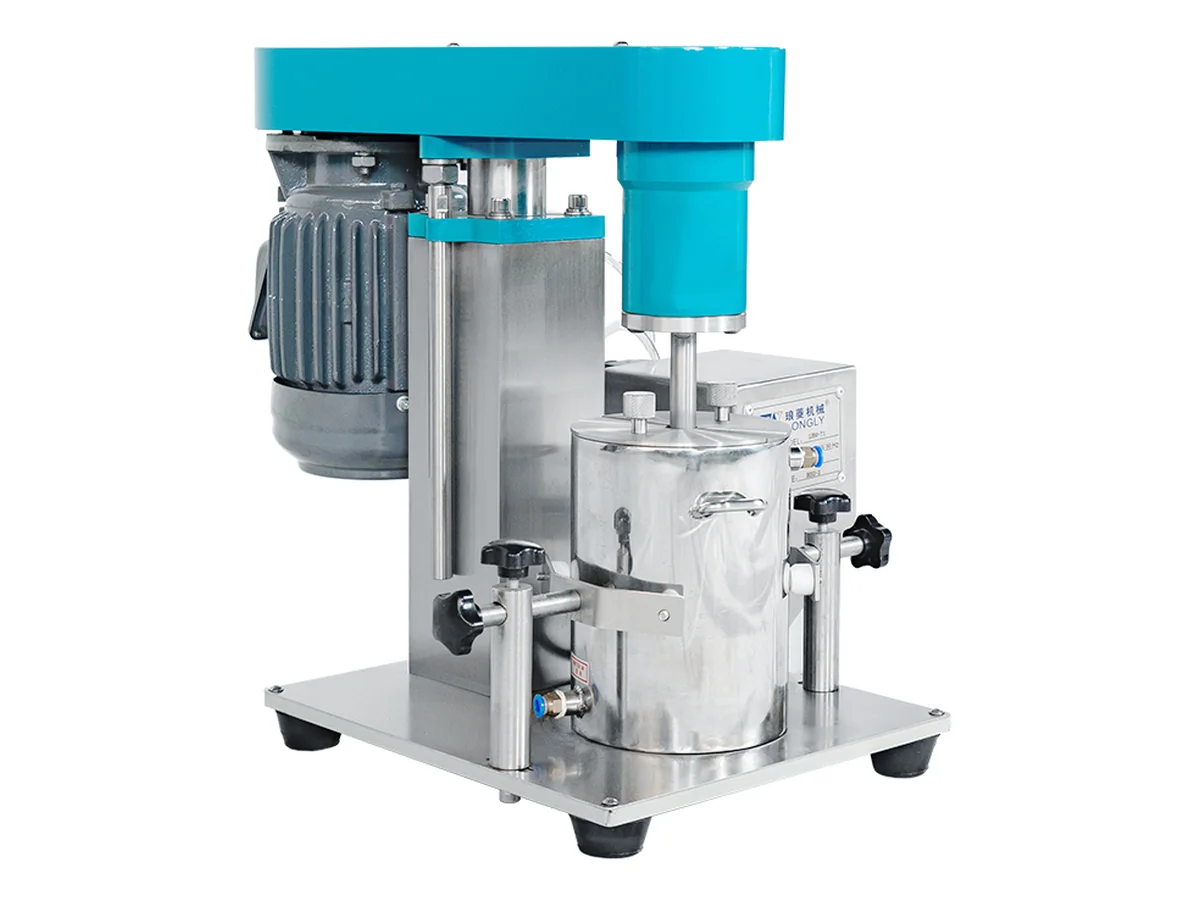
Basket Mill
Single-vessel dispersion — no external pump or recirculation loop.
Choose it when: Best for many formulations in small batches, or when cleaning time dominates.
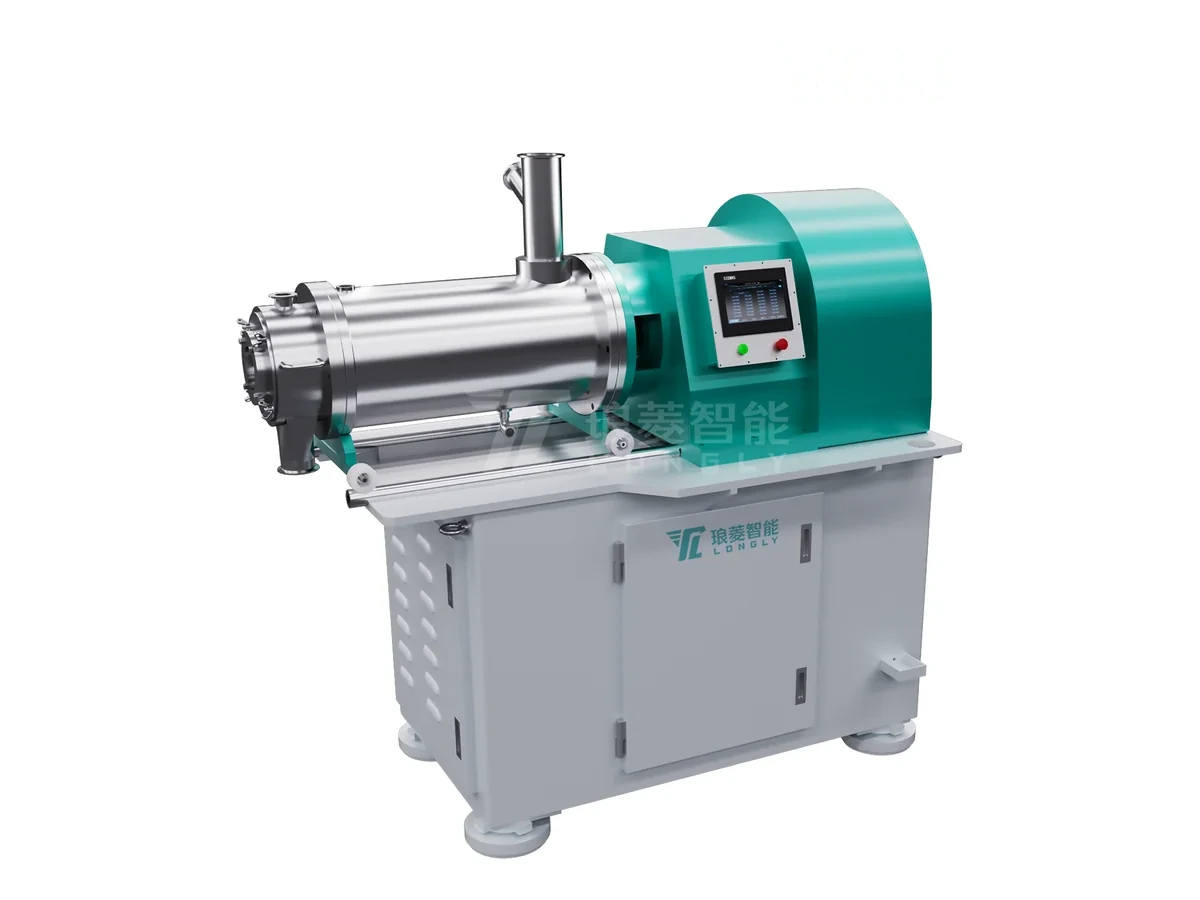
Dry Grinding Mill
Dry micronisation with air classification and dust collection.
Choose it when: For powders that cannot be processed wet — no drying step downstream.
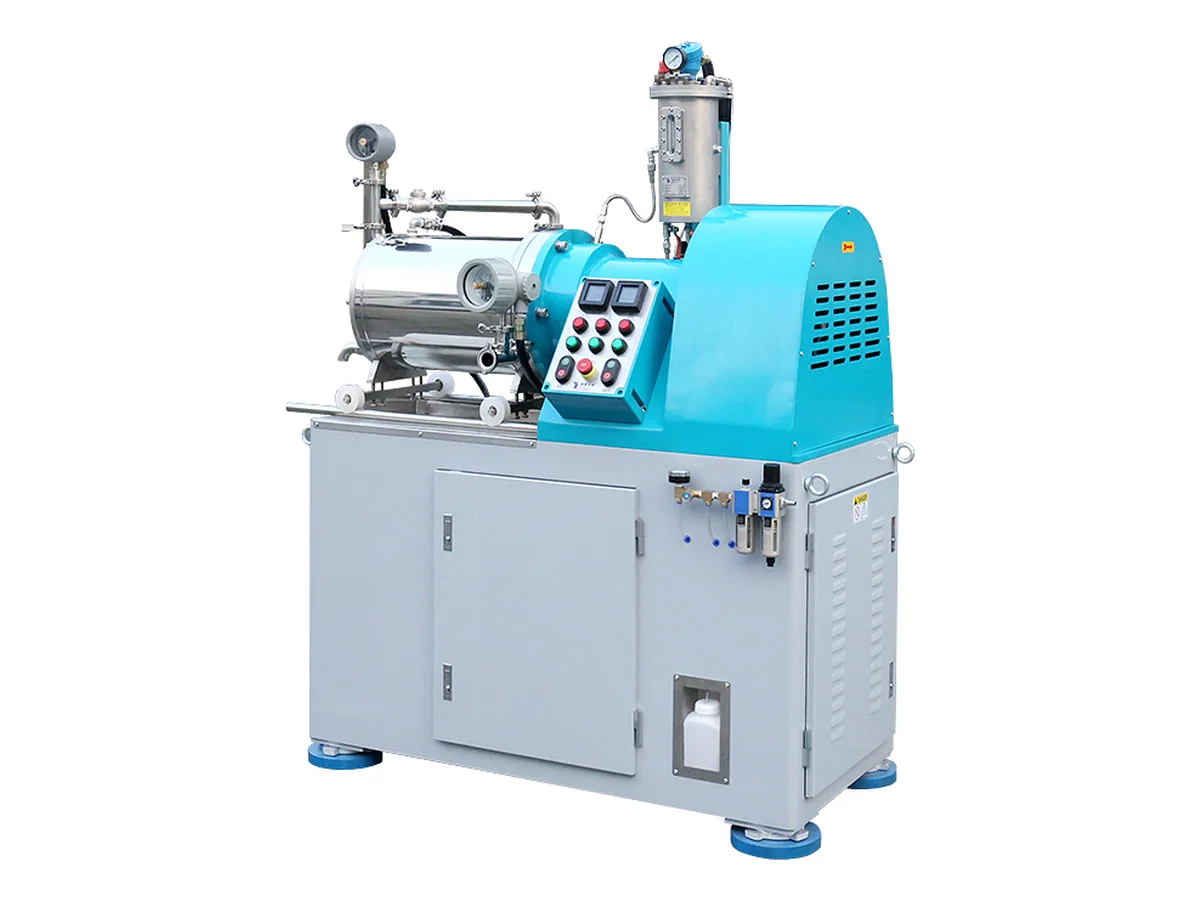
High-Viscosity Mill
Built for high-solid and high-viscosity material, with screw discharge.
Choose it when: For pastes and highly loaded compounds a standard mill will not move.
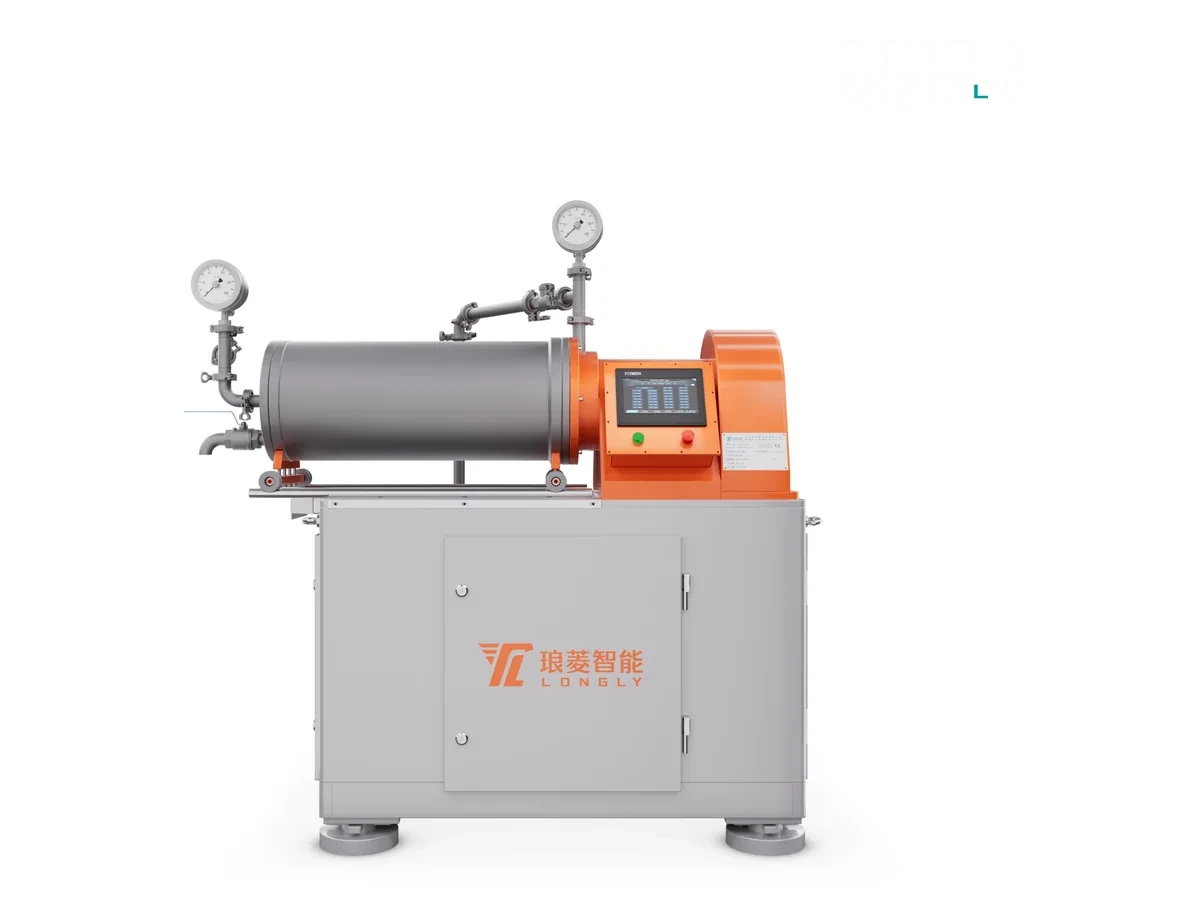
Mining & Large-Scale Mill
Stirred media mills sized for mineral slurry at plant throughput.
Choose it when: Selected on throughput and media consumption, not on fineness alone.
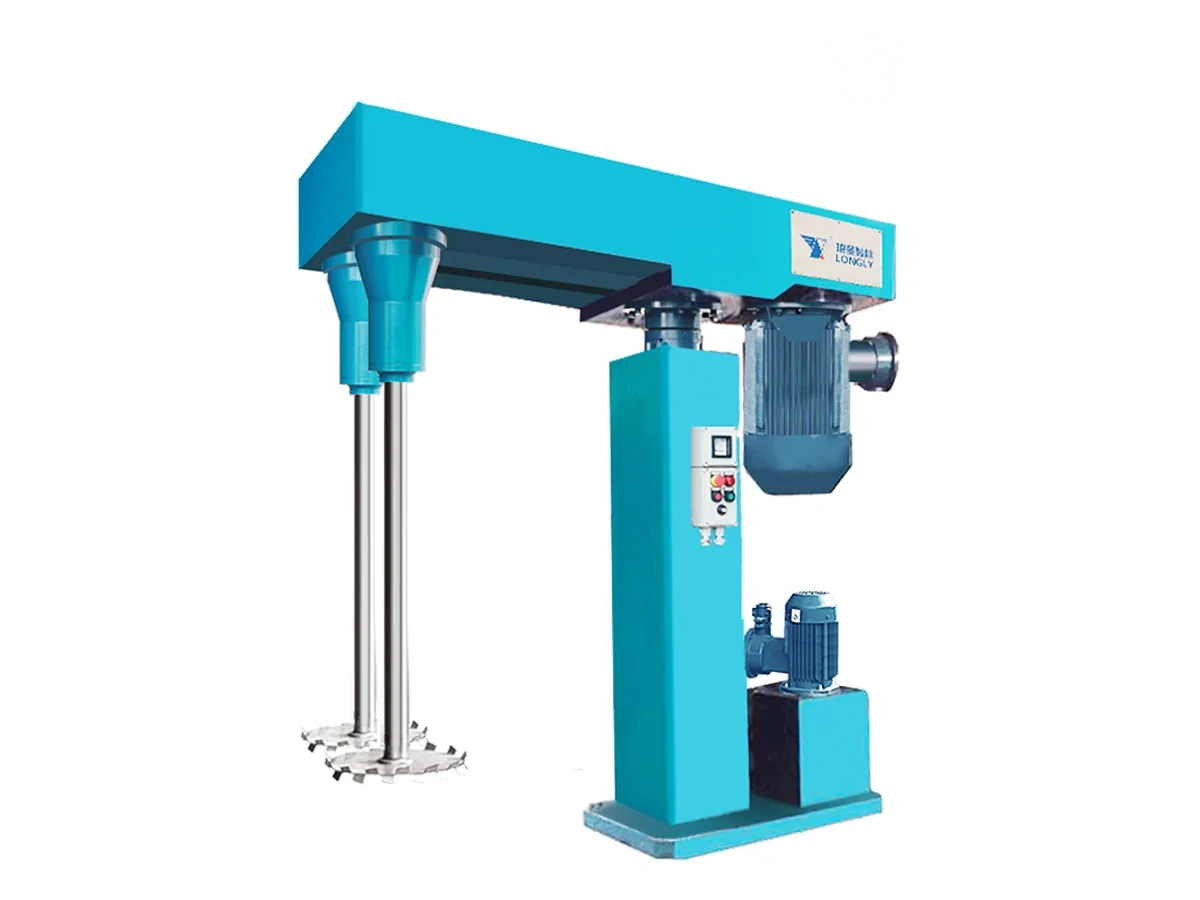
Complementary Equipment
Three-roll mills, inline pre-dispersion, mixers and spray dryers.
Choose it when: Often the cheapest throughput gain is better pre-dispersion, not a bigger mill.
Every series is specified around your material, target fineness and throughput. Tell us what you are grinding →
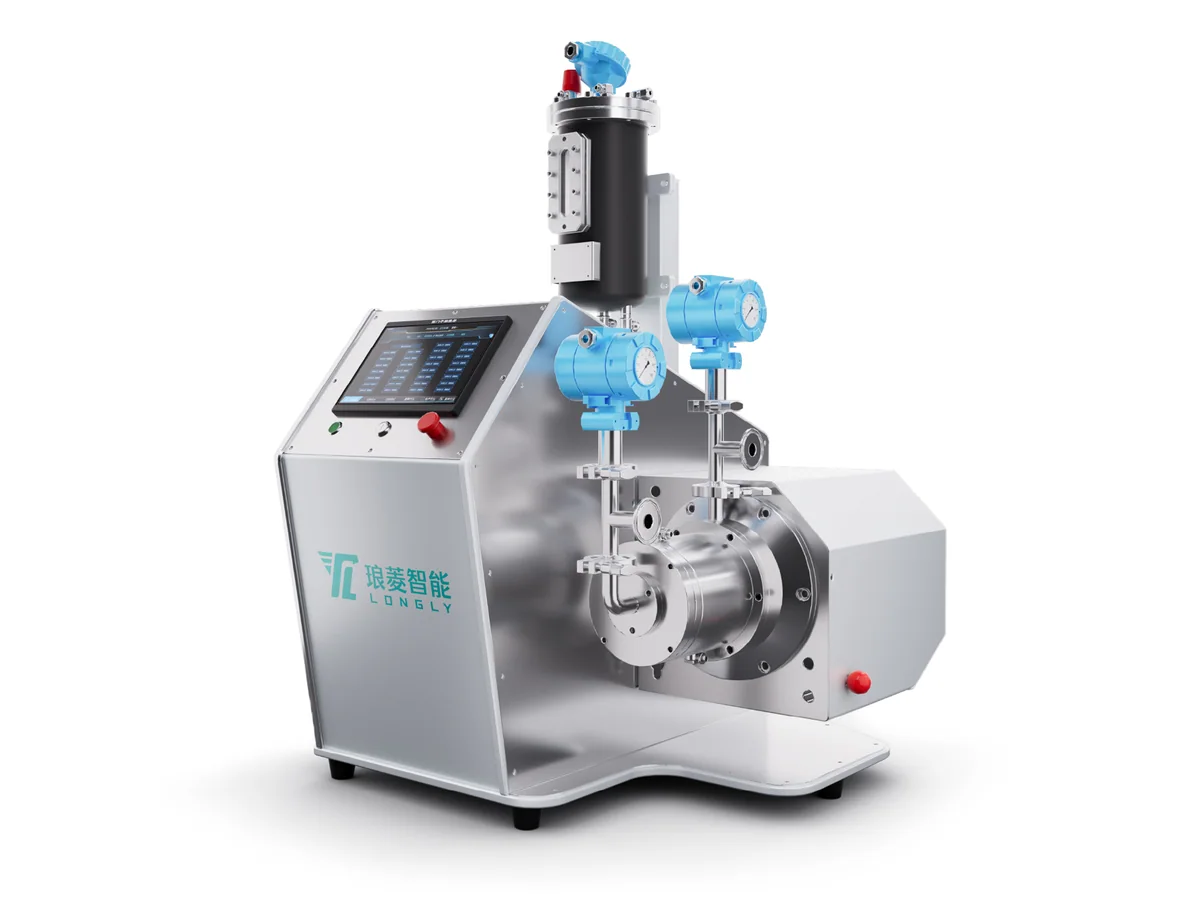
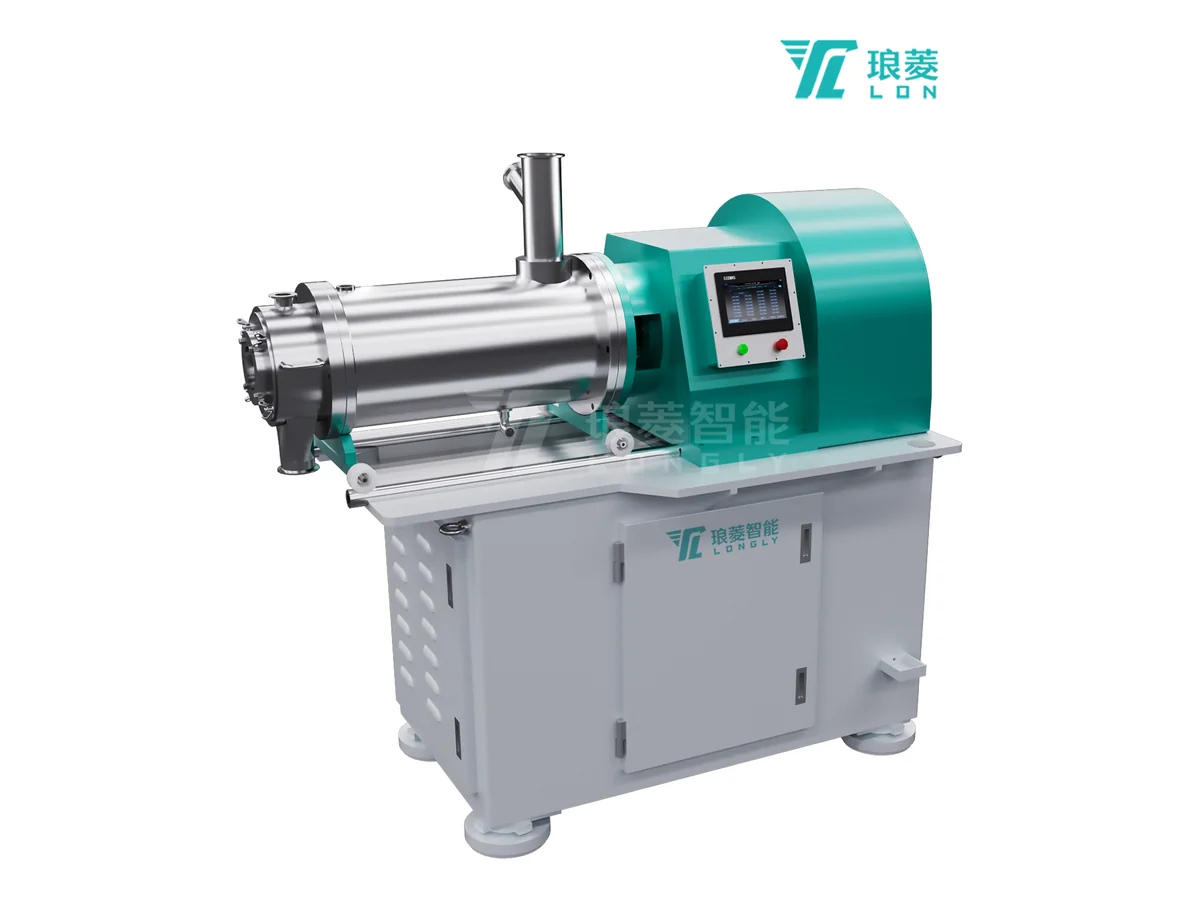
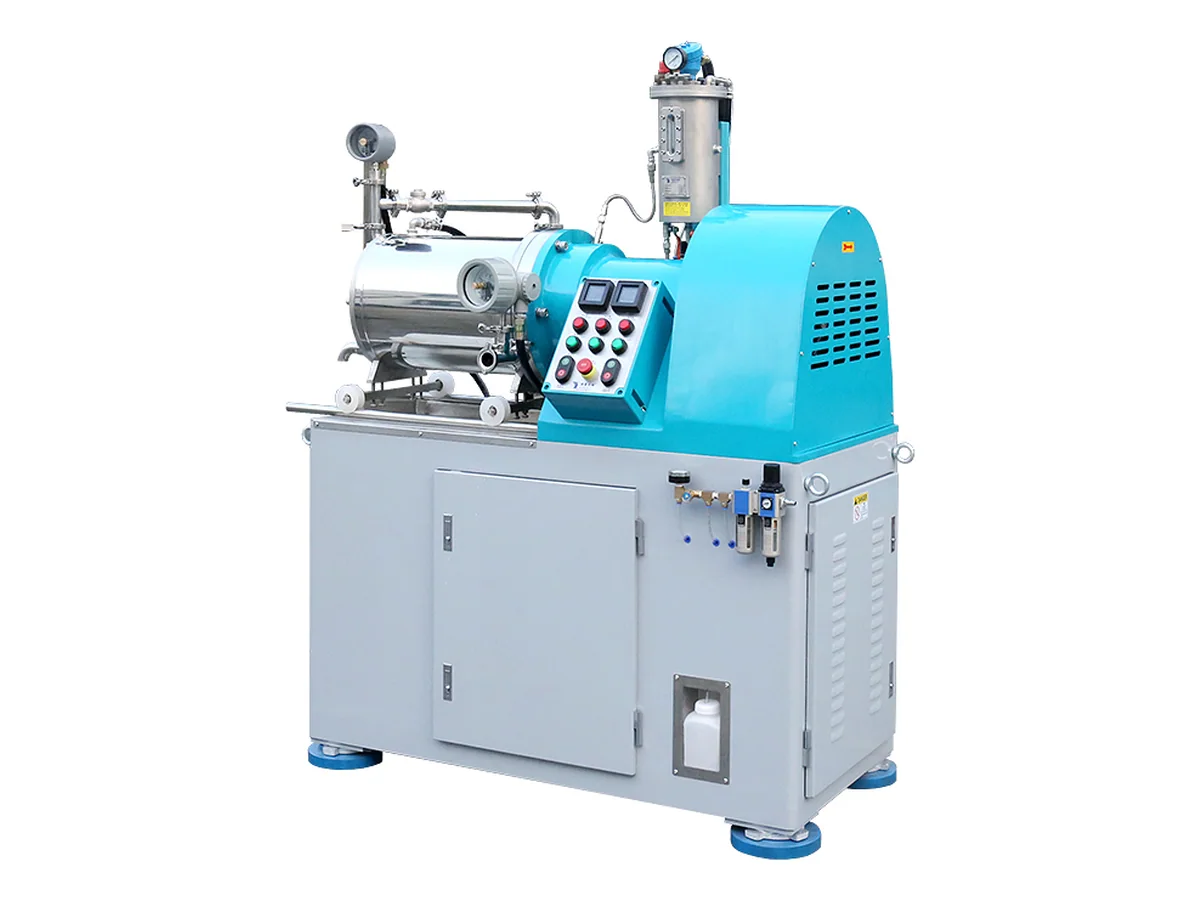
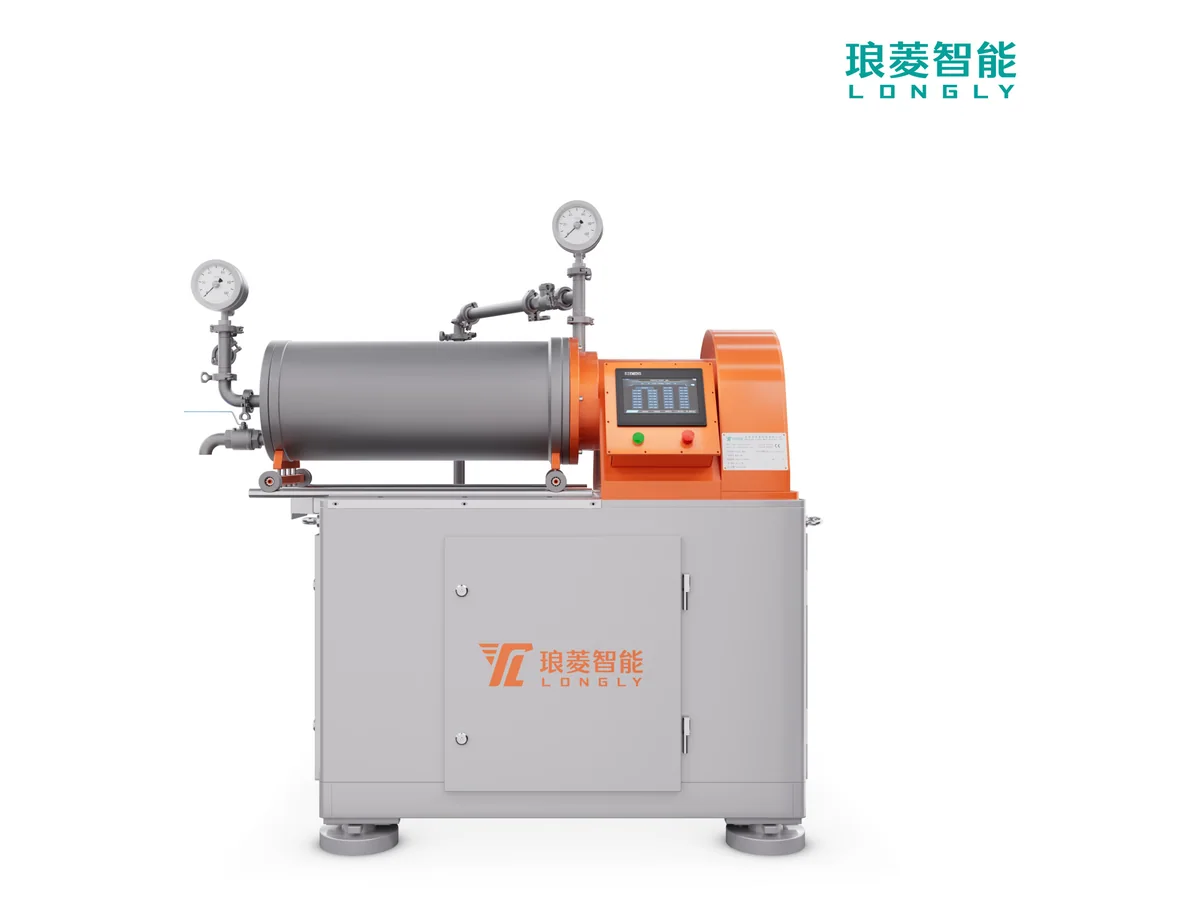
23 configurations, photographed as built
No renders, no catalogue cut-outs — every one of these is a machine built on the line. Pick the closest to your material and we will tell you what it will and will not do, including when the honest answer is a different model.
PM-N
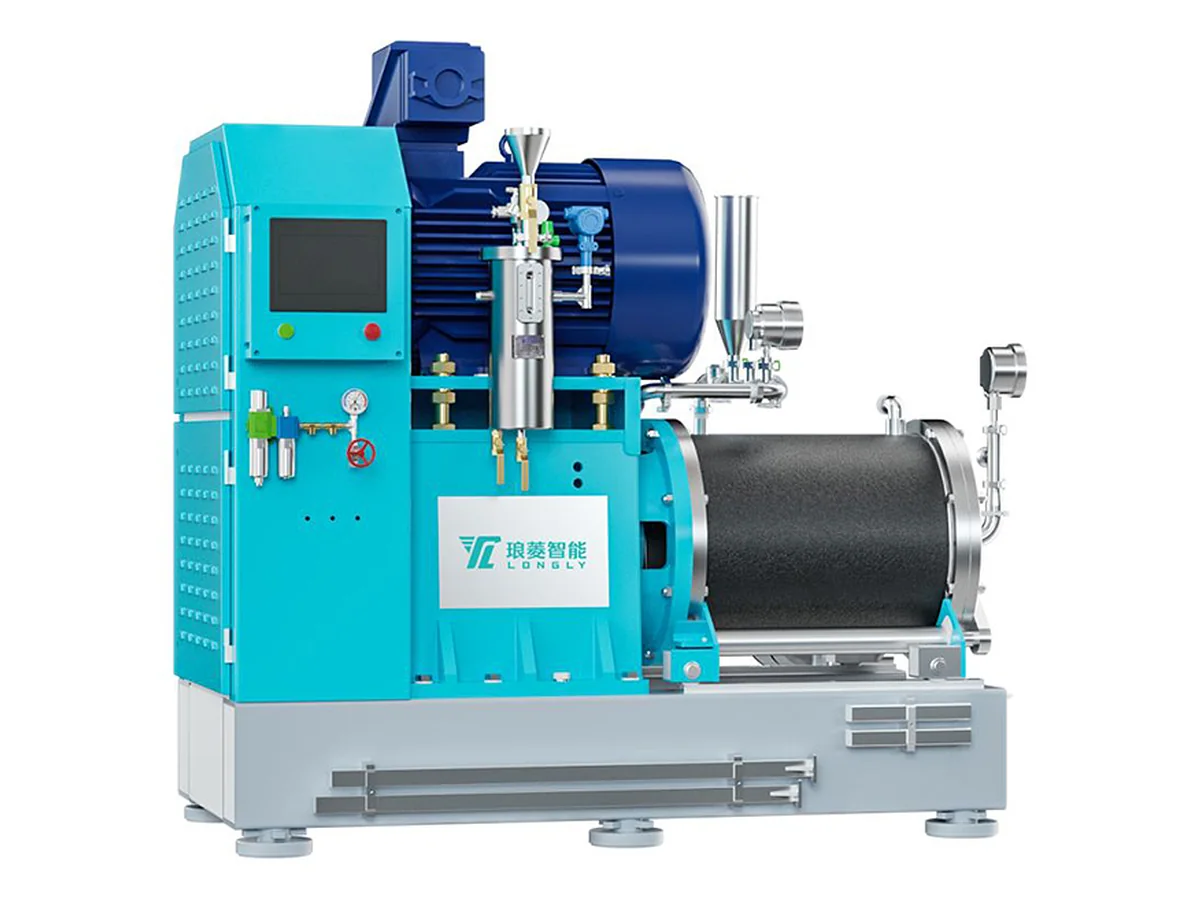
Pin-type nano mill
Production pin mill, 0.2–0.8 mm media, screen separation.
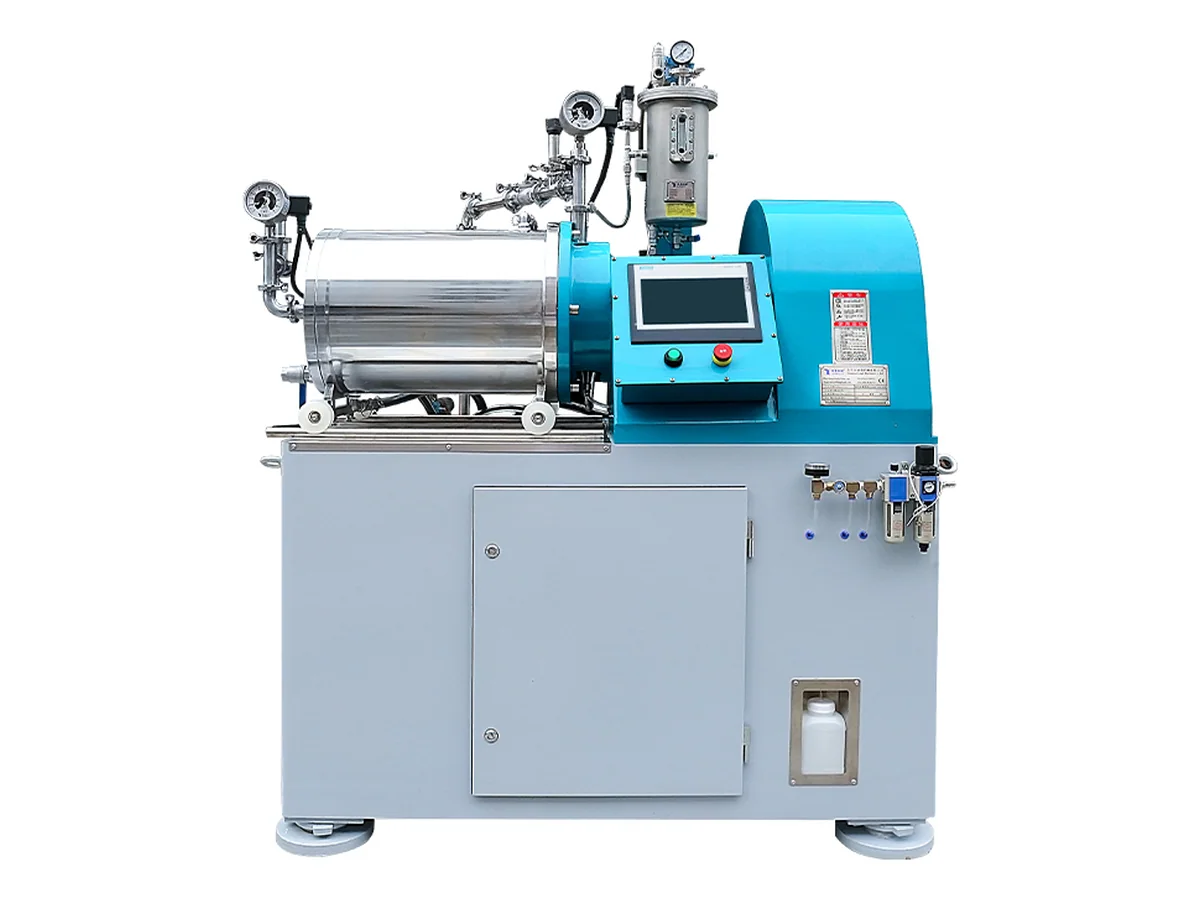
Turbine nano mill
Turbine rotor — higher energy density than pins at the same volume.
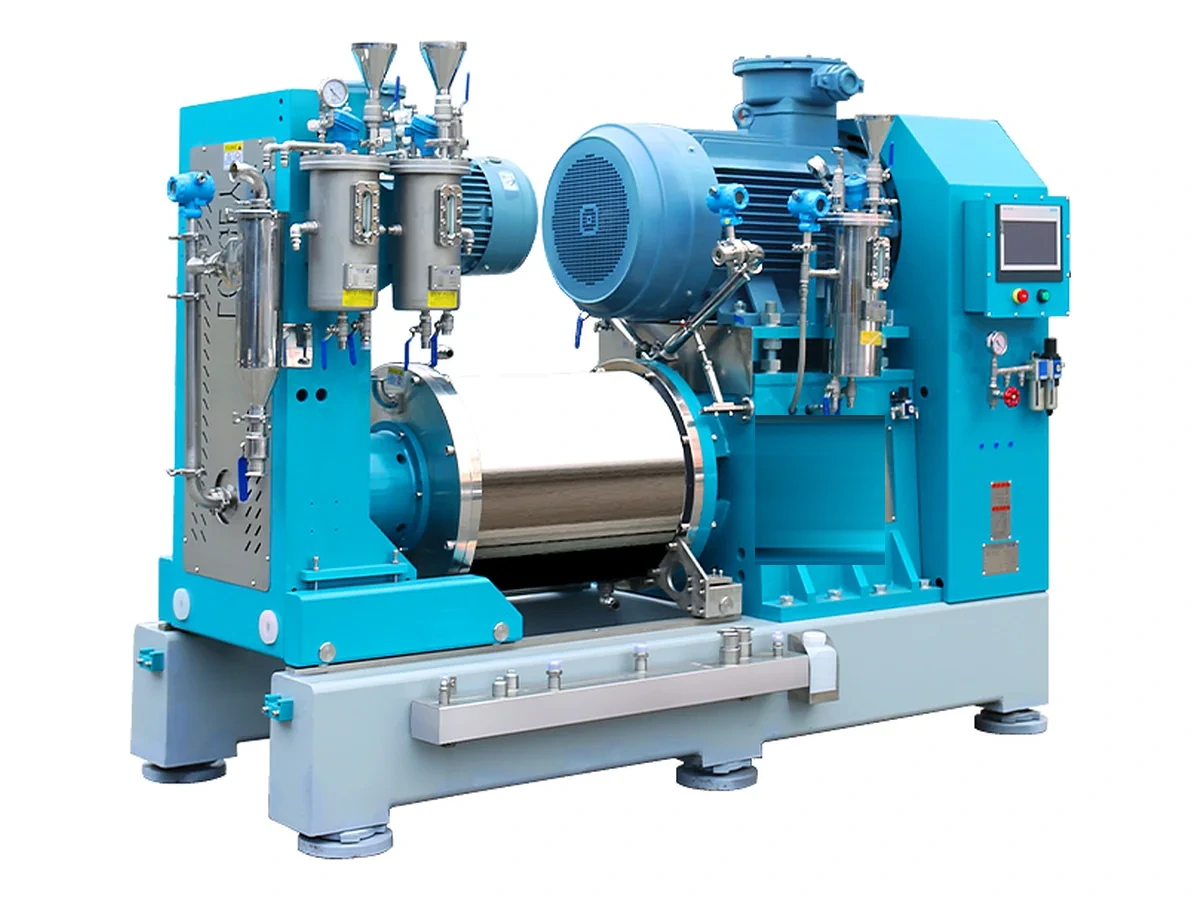
Dual-power centrifugal
Centrifugal separation — no screen to blind when media gets very small.
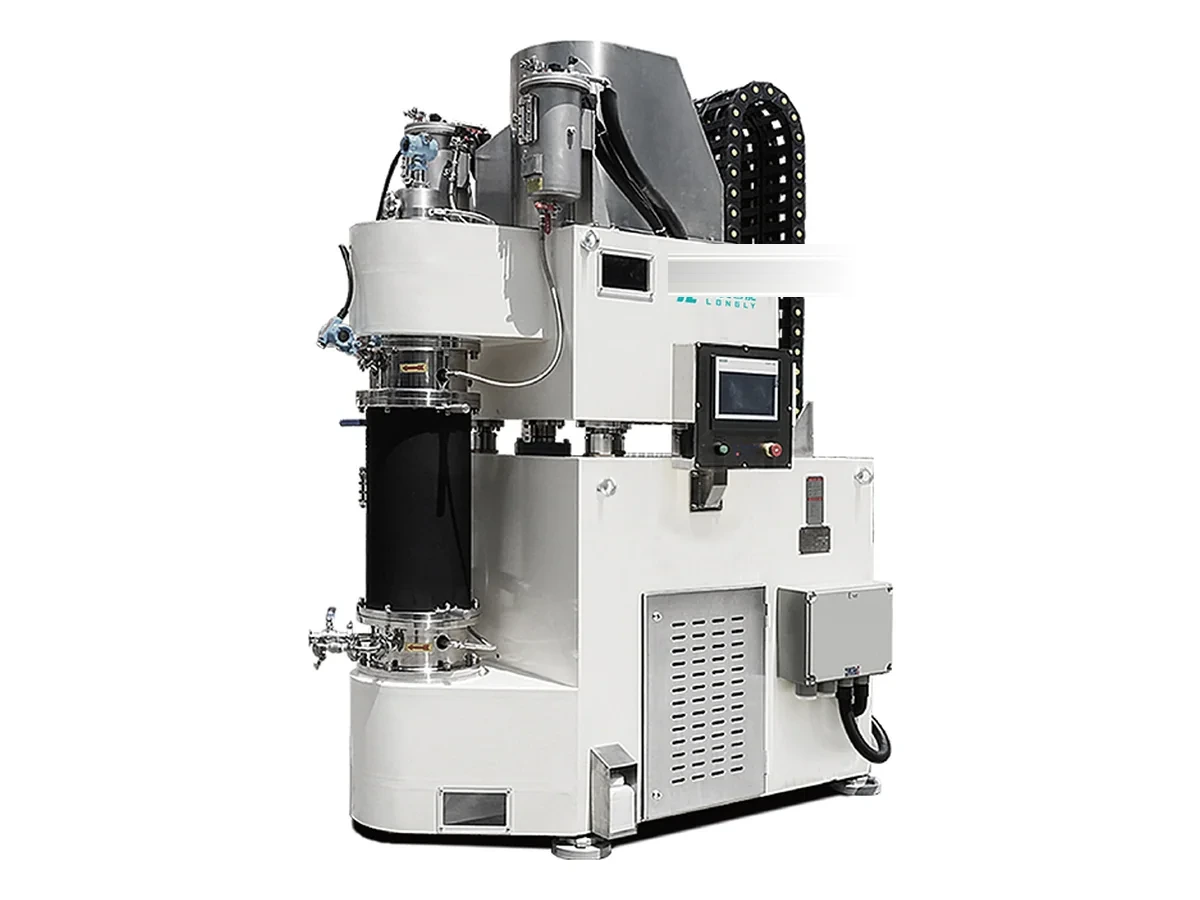
Vertical nano mill
Vertical chamber, dual drive. For slurry that will not stay suspended.
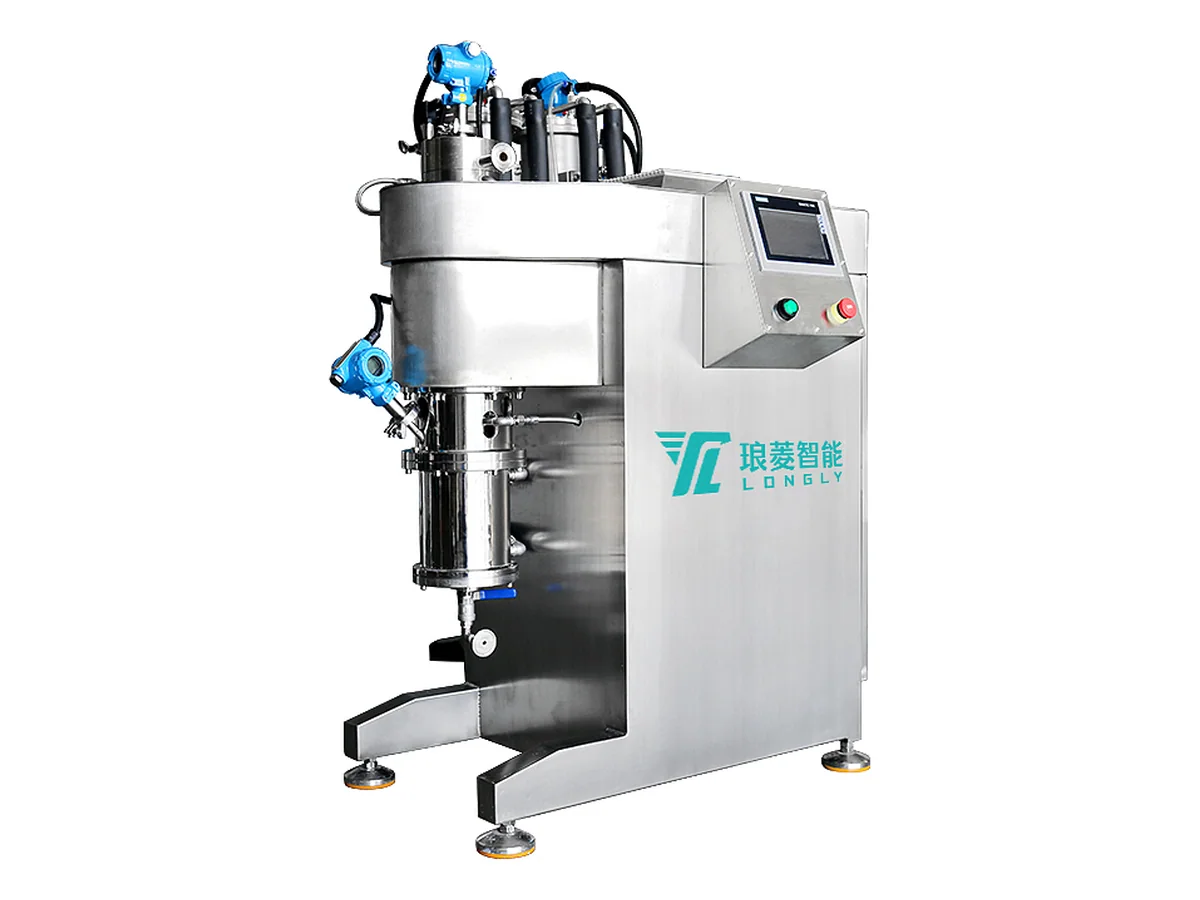
Vertical, single drive
Single-drive vertical. Simpler, cheaper, less flexible on tip speed.
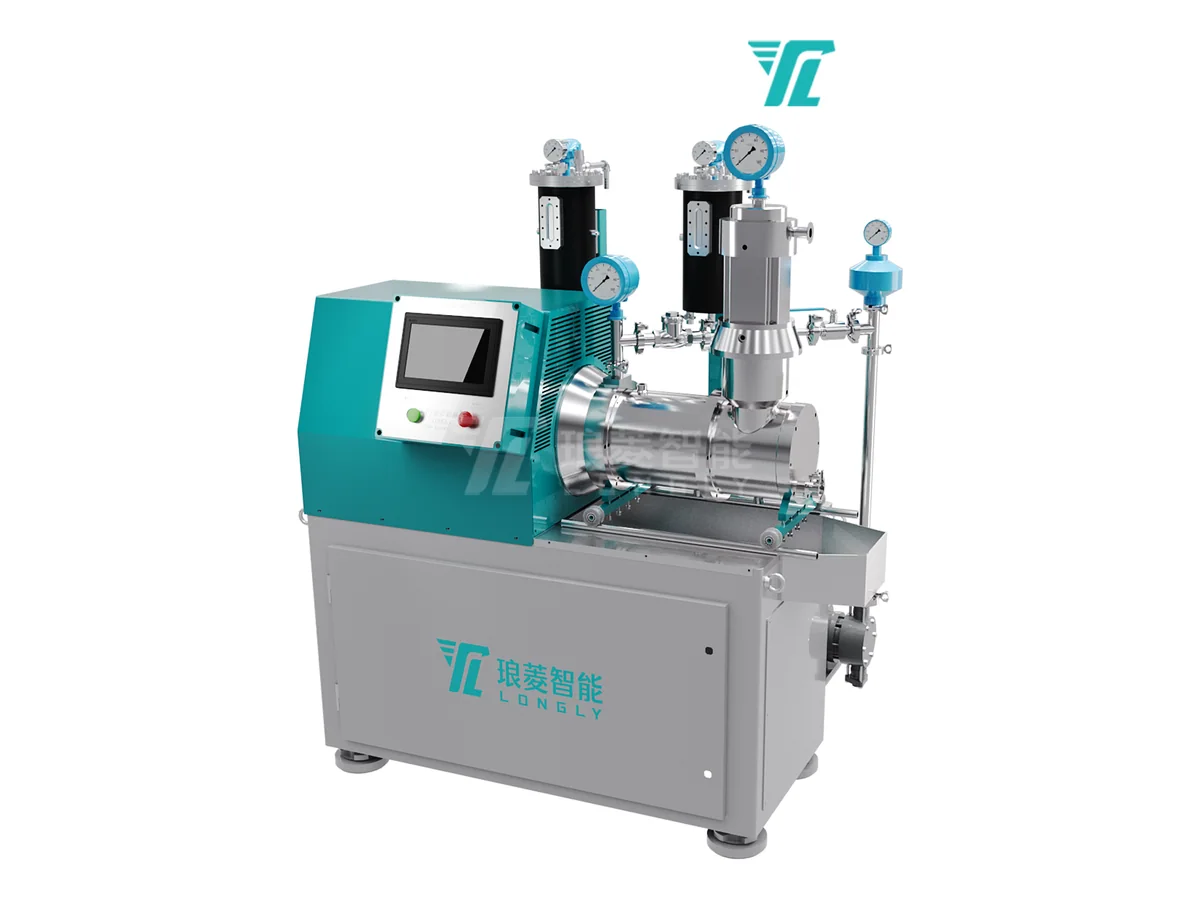
Vertical / horizontal convertible
Chamber can be run in either orientation — useful during process development.
PM-M
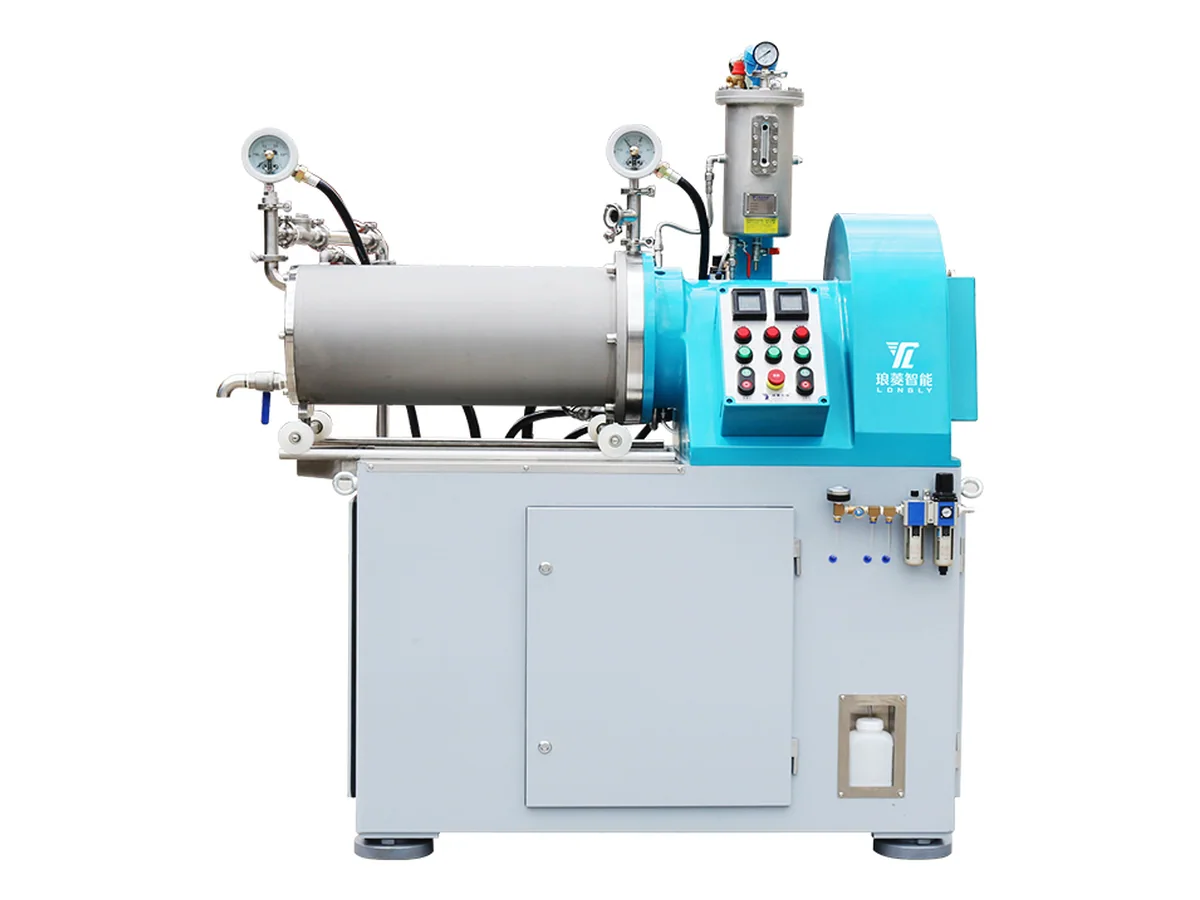
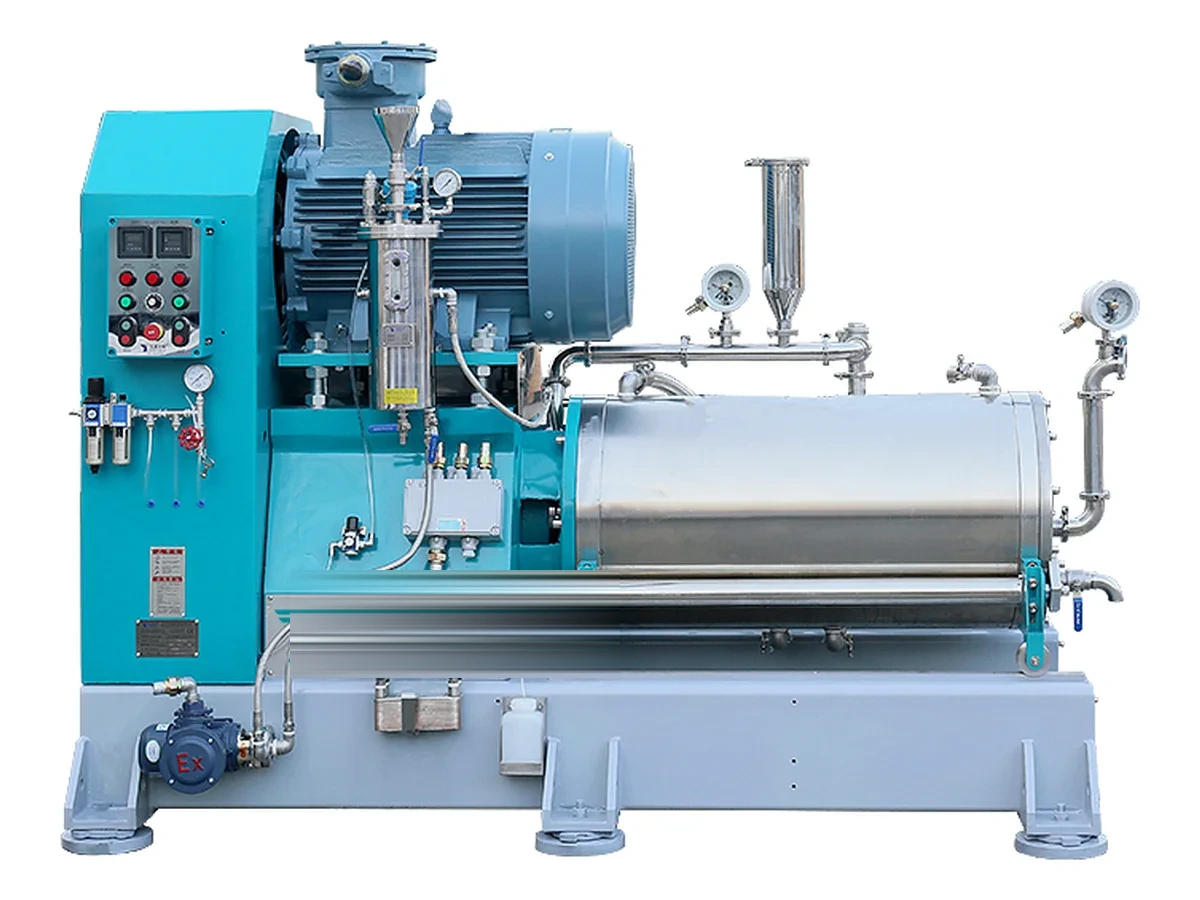
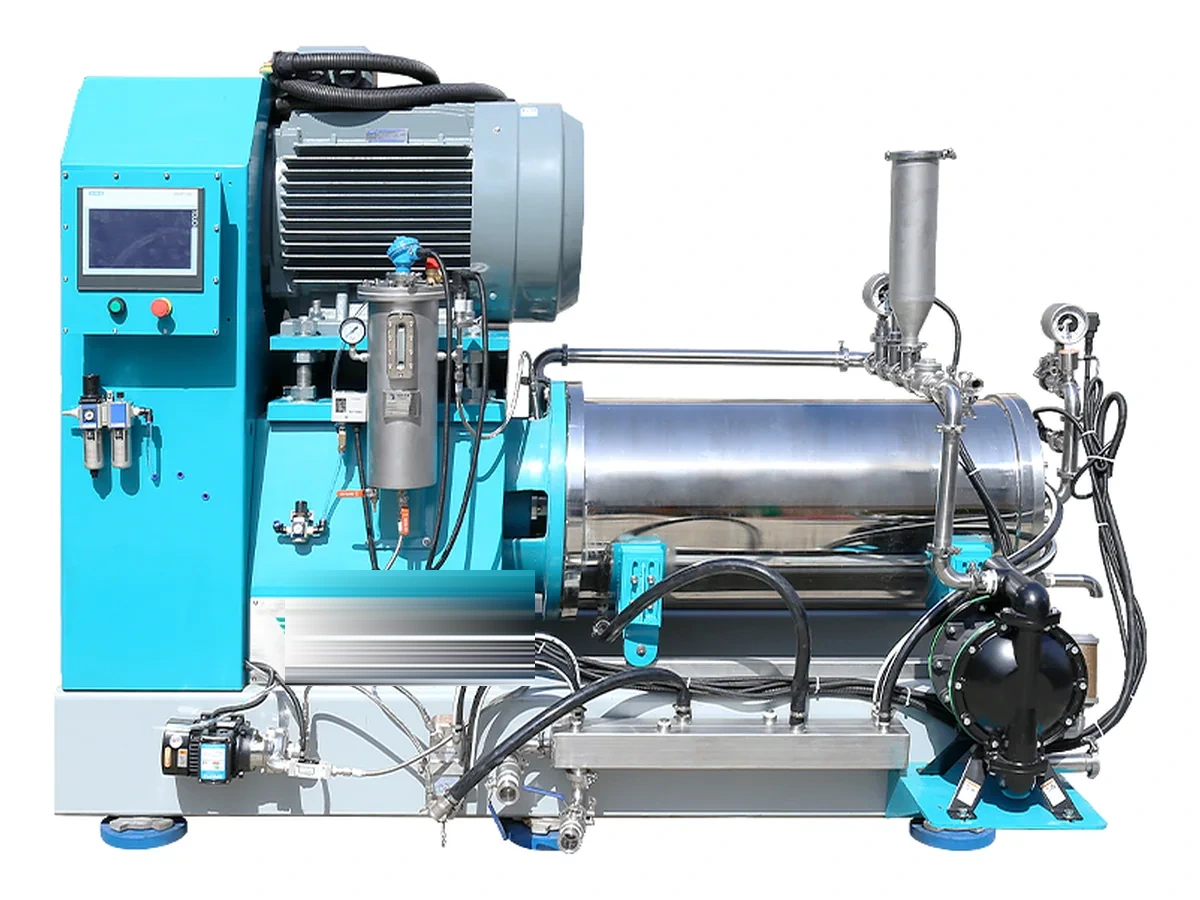
PM-L
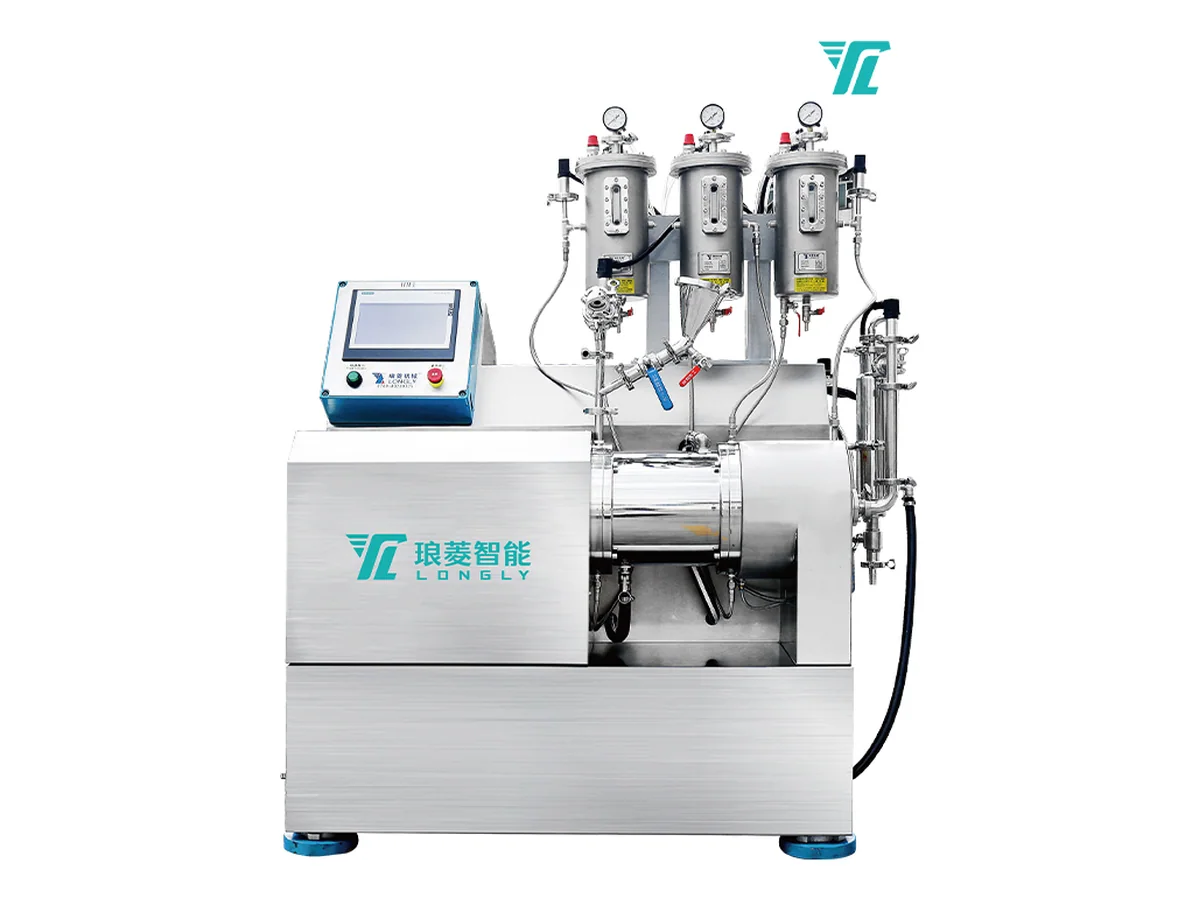
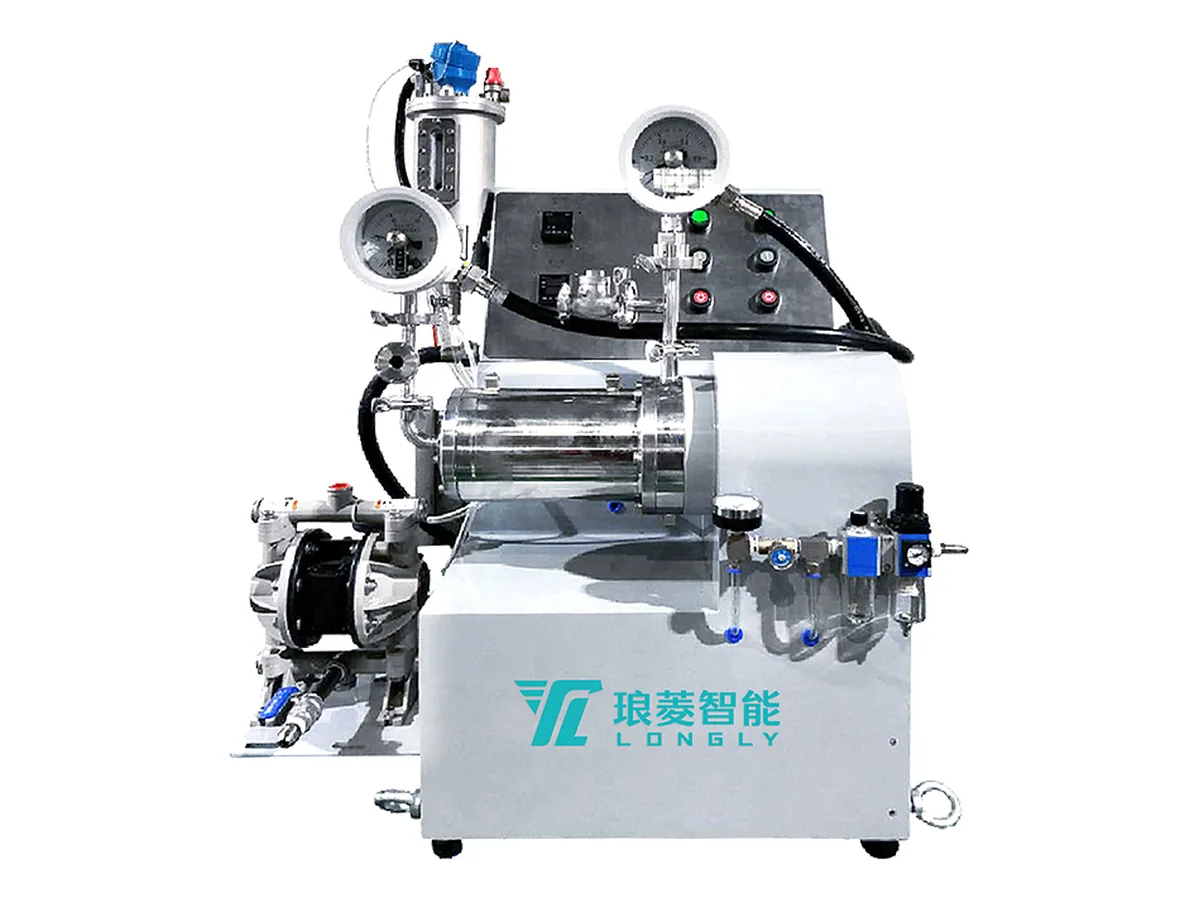
PM-A
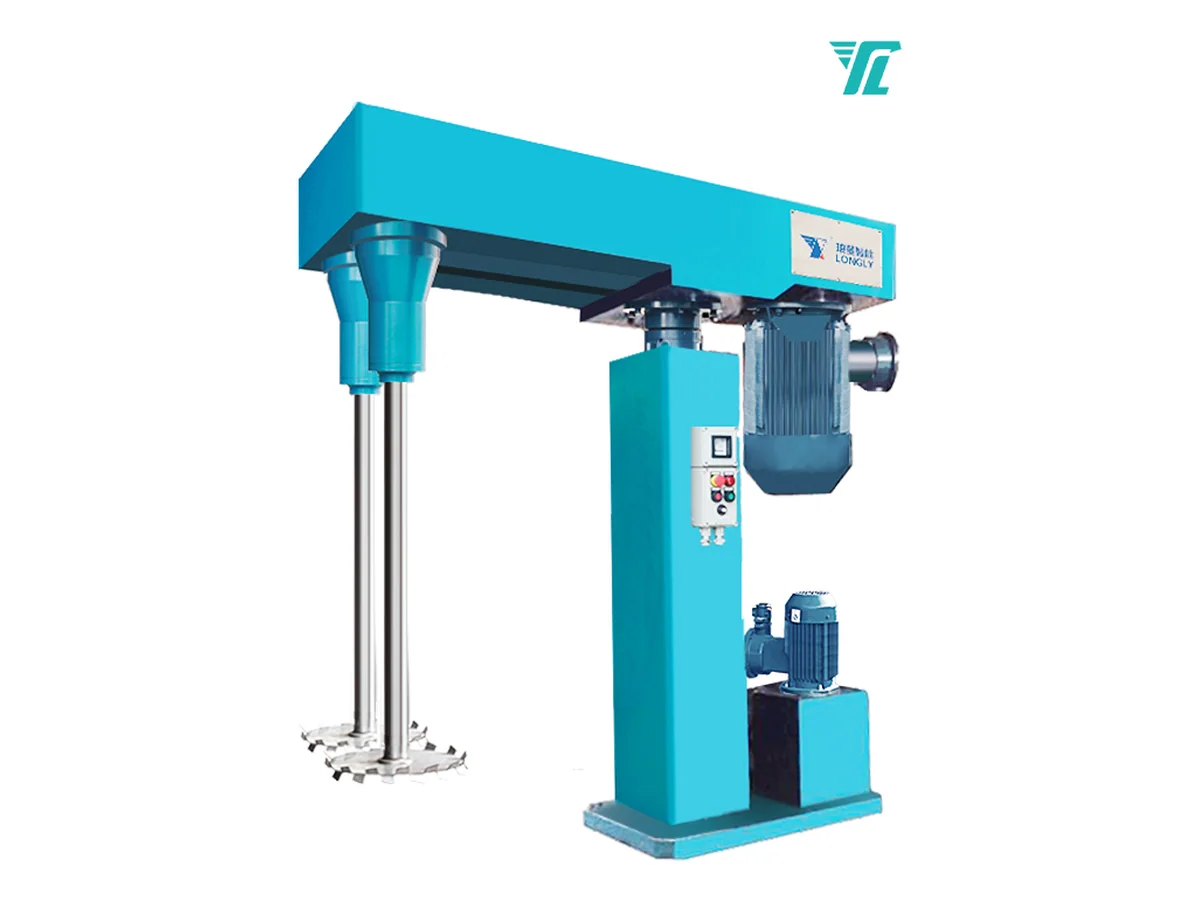
Inline disperser
Pre-dispersion before the mill. Often the cheapest throughput gain.
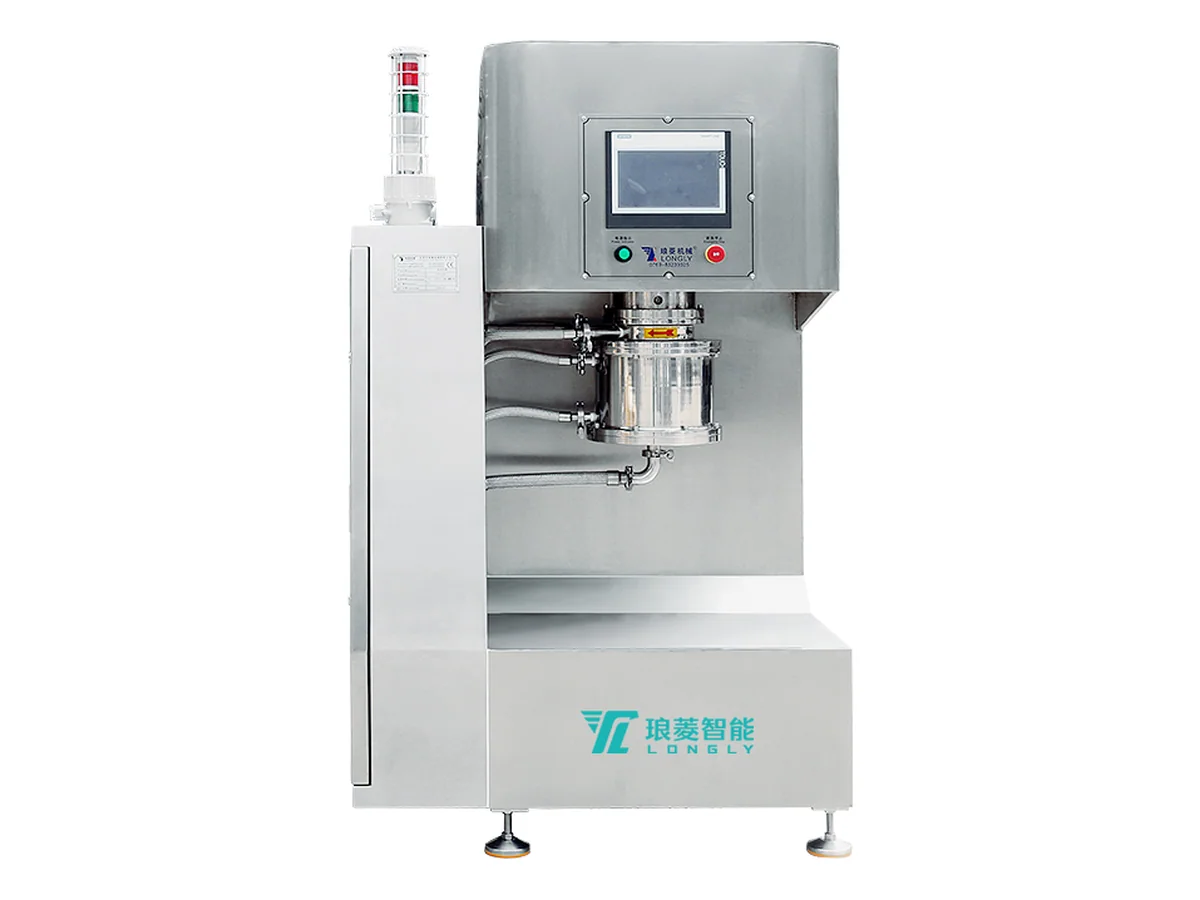
Nano disperser
High-shear rotor-stator for wetting out hard-to-wet powders.
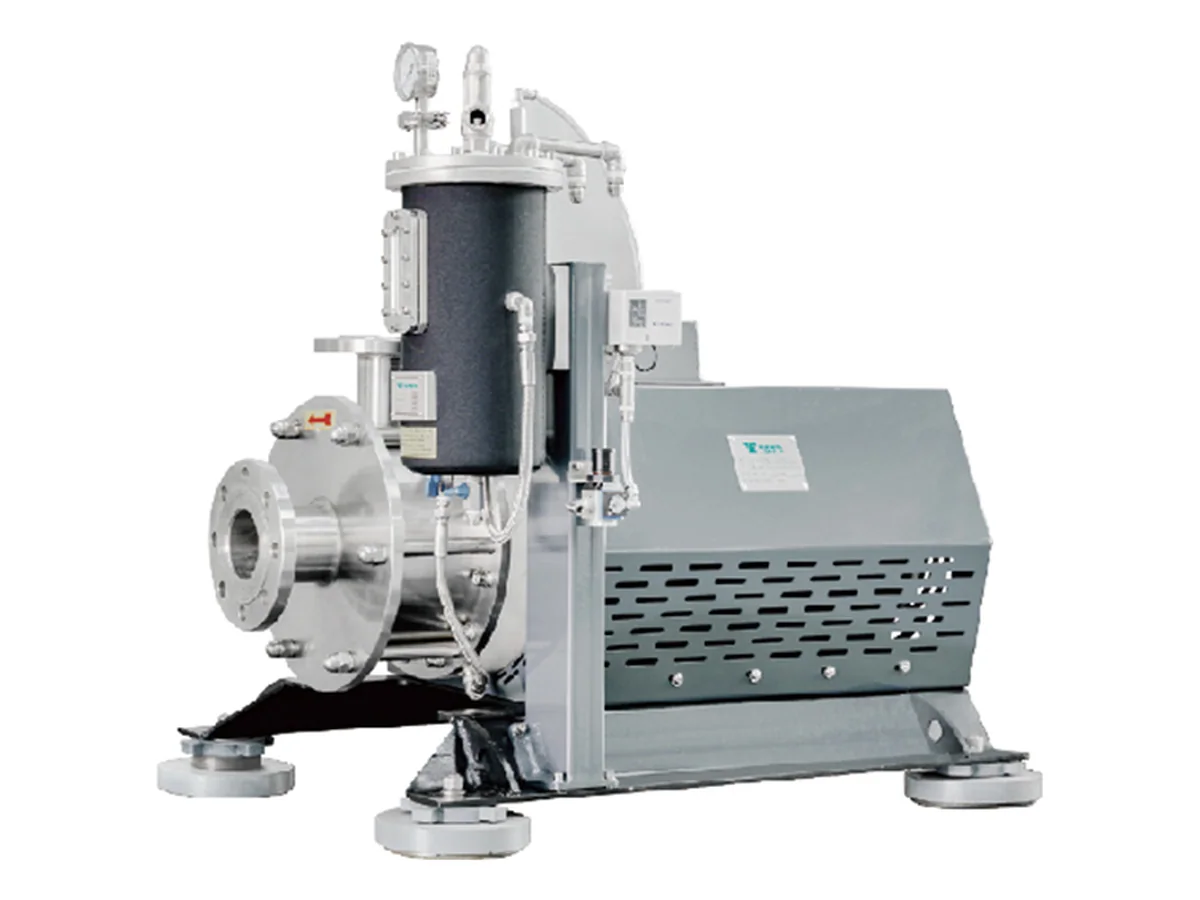
Inline emulsifier
Single-stage rotor-stator for emulsion and homogenisation.
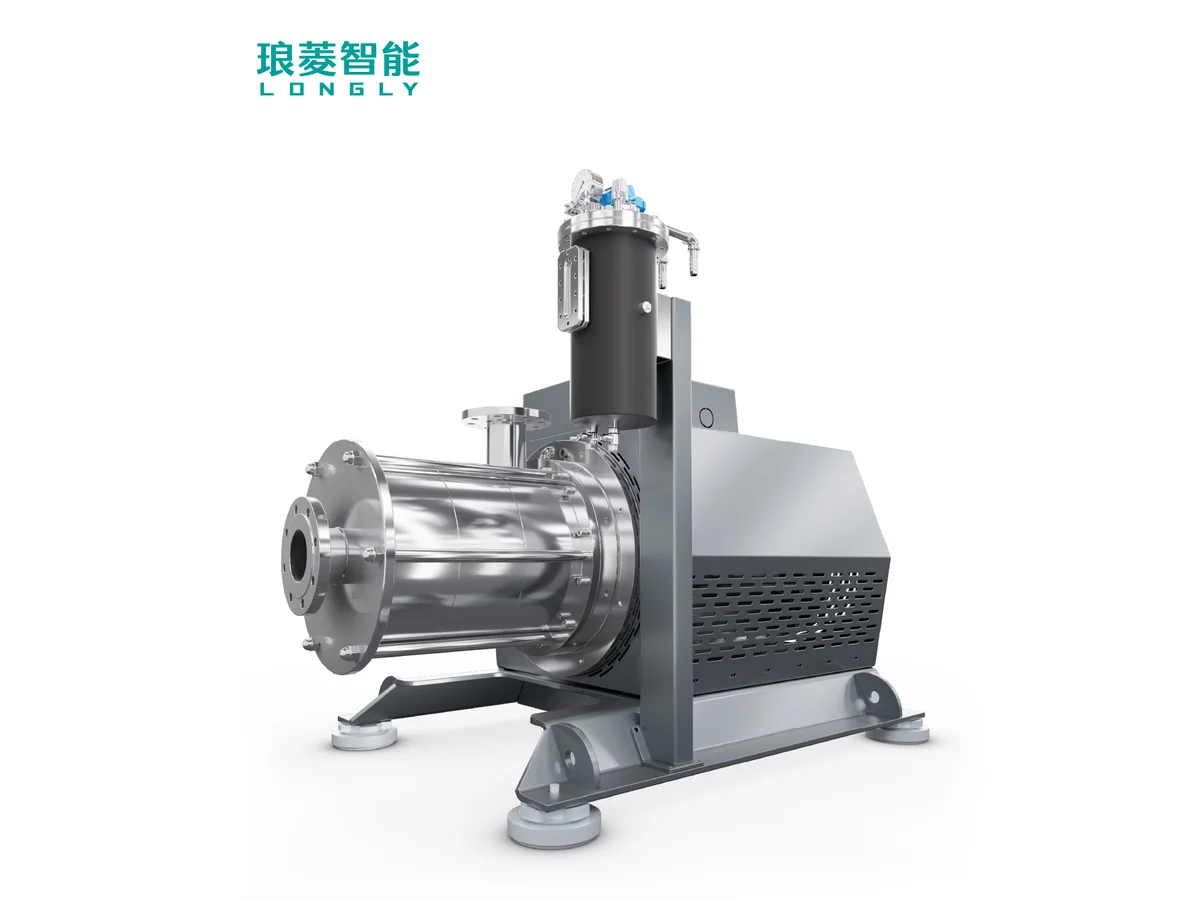
Three-stage emulsifier
Three working stages in series — narrower droplet distribution.
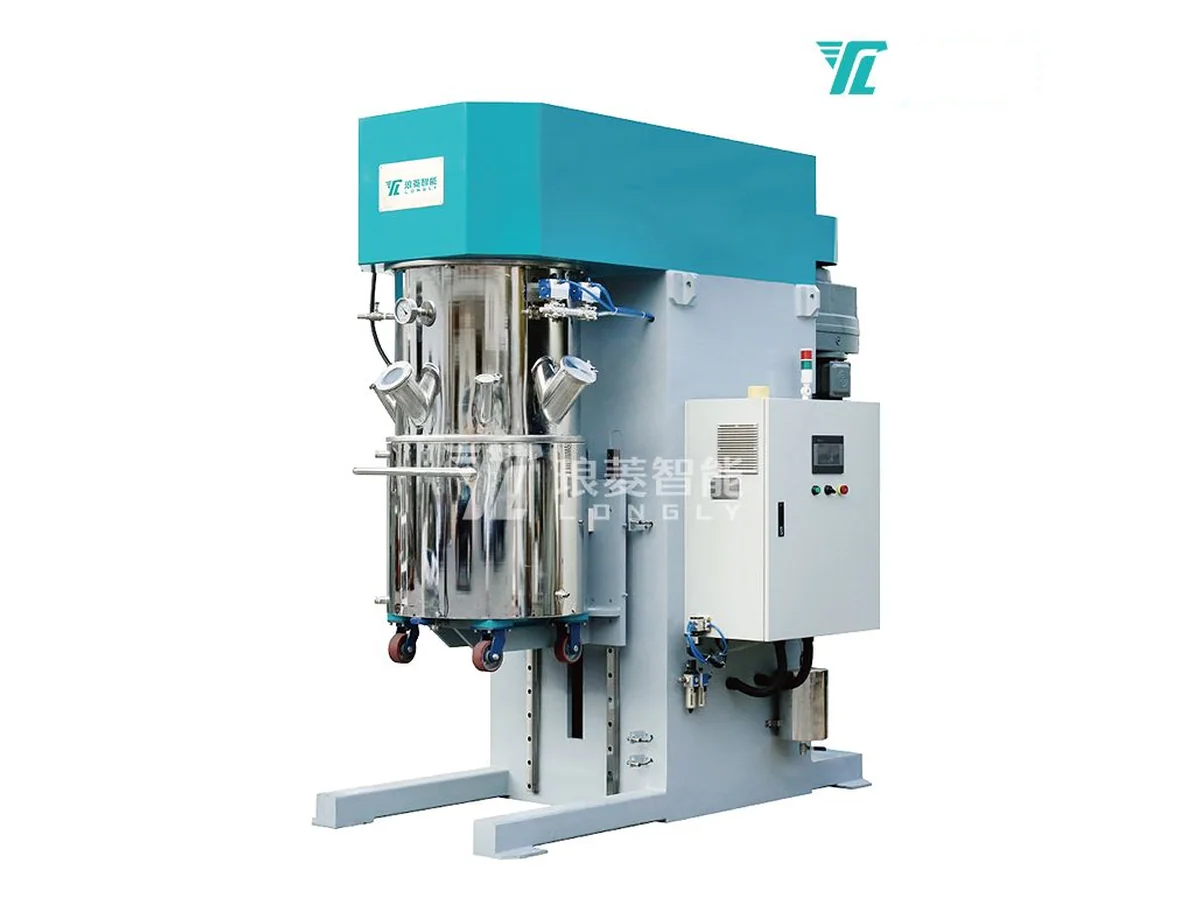
Planetary mixer
For material too stiff for any impeller-type mixer to turn over.
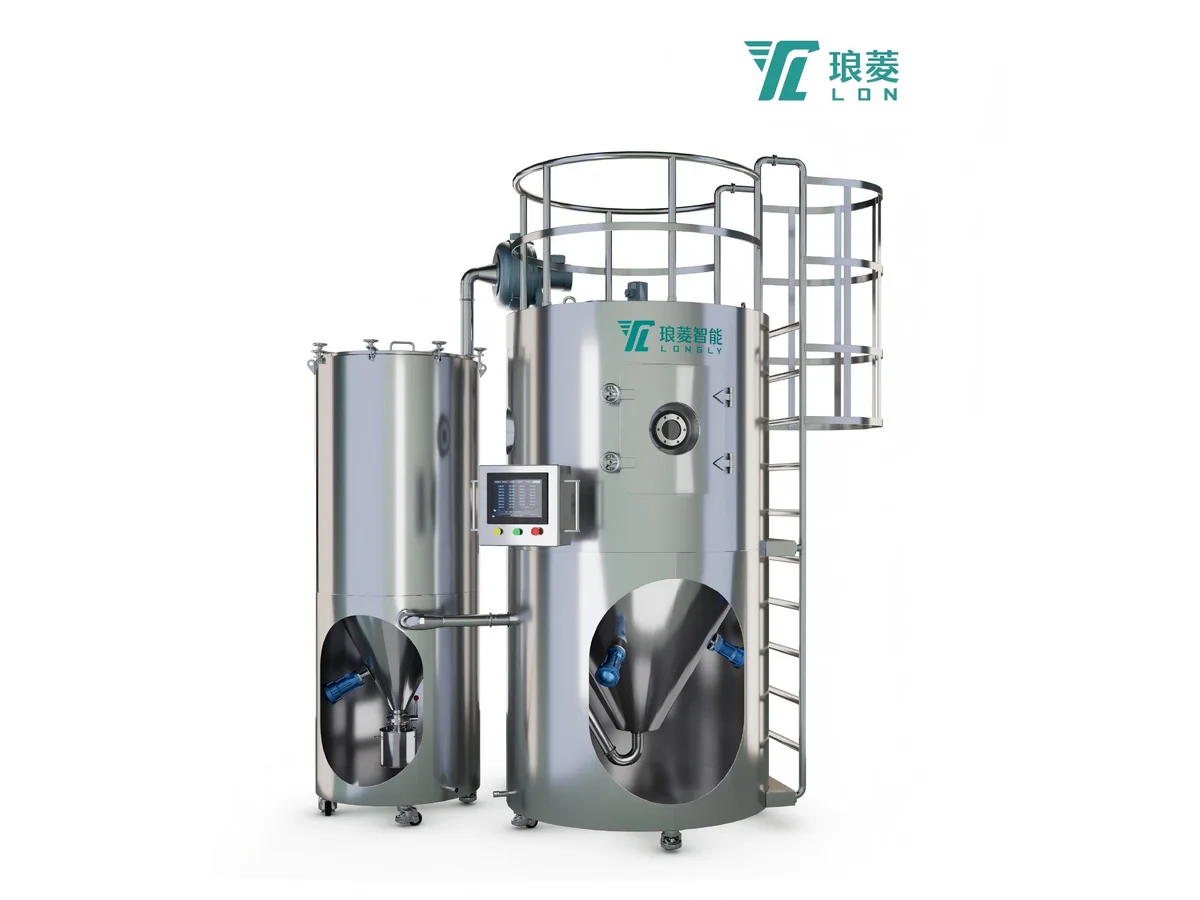
Spray dryer, centrifugal
Rotary atomiser — for abrasive or high-solids feeds.
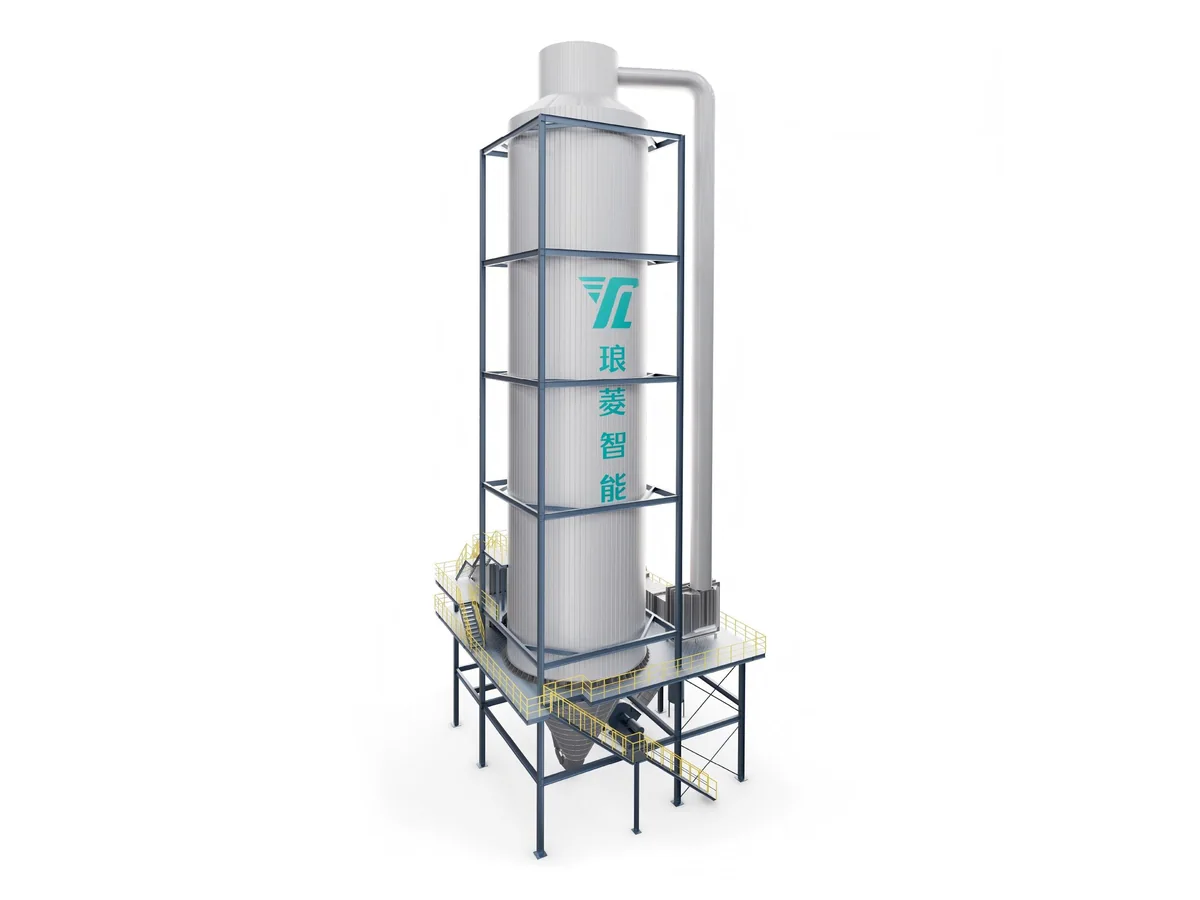
Spray dryer, pressure nozzle
Pressure nozzle — coarser, denser powder, narrower size band.
Specification sheets for every model are available on request. Tell us your material and we will send the right one →
What we work on, most days
Pigment & Coatings
Organic and inorganic pigment dispersion — colour strength without over-grinding.
Lithium Battery Slurry
Cathode, anode and conductive additive slurry, with metal contamination control.
Ink
Gravure, flexo and inkjet — tight particle size distribution for consistent colour density.
Agrochemical
SC, OD and suspension concentrate formulations.
Pharmaceutical
Nano suspensions, with full material traceability on wetted parts.
Ceramics
Fine slurry preparation before spray drying.
Why sub-micron consistency is harder than it looks
Most grinding problems are not "the machine isn't powerful enough." They are consistency problems:
- Batch-to-batch drift — same recipe, different result, no obvious cause
- Re-agglomeration — you hit target fineness in the mill, and lose it in the tank two hours later
- Over-grinding — you went finer, and colour strength went *down*
- Media contamination — worn beads adding microns of debris to a nano product
Each has a specific cause and a specific fix. Send us your material and we will show you which one you have.
Figures are typical ranges for reference. Model-specific values are confirmed with your specification before quotation.
How we work
Five steps. The third one is where most suppliers stop and we do not.
Tell us your material
What you are grinding, target fineness, required throughput. Those three answers drive everything else.
Free grinding test
Send 1 kg. We run it on a laboratory mill and send you the D10 / D50 / D90 report.
We specify the machine
Chamber volume, media size and material, tip speed, separator type, materials of construction, cooling capacity.
Build and run-test
Every unit is run under load before shipment. You receive the test report.
Commissioning and aftersales
Installation support, operator training, spare parts from stock, remote video support.
Send us your material. We will tell you what it can actually reach.
Send 1 kg. We will grind it, measure it, and return the full particle size distribution report — usually within 10 working days of receipt. If we cannot hit your target, we will say so.